
[A snippet from the college years…]
Examining environmental issues can start locally, but the astronomical problems our planet faces requires a global effort, a true international collaboration. It’s difficult for individuals in a small community to agree on everything, much less the nations of the entire world. We have different backgrounds, differing opinions, different mindsets, different values and most of all, different passions. The environmental activists of today have a very important message to craft: “All the world’s nations need to rally together to make positive environmental change.”
No matter how we live, what language we speak, whom we love, or what continent we reside on, human beings all over this planet have the same rights. The rights to breathe clean air, eat healthy food, have access to green natural spaces, clean water, and the ability to leave a healthy planet for the next generation.
It is crucial that nations all over this planet work as a cohesive team to solve some of the world’s pressing environmental matters, and the only way to be successful communicators is to understand and appreciate cultural differences. There are many examples of environmental groups heading into other countries with self-righteous elitist attitudes, planning to show the local indigenous populations how to live “better.” It is imperative to understand a local community’s history and story before assuming an authoritative stance.
Communication styles vary greatly from culture to culture, and understanding these differences are key to a successful campaign. For example, when I was recently in Scotland for a three-month internship, I was asked to share with the marketing director my first impression observations. After I shared my thoughts, I realized all my comments were constructive criticisms, and not a single mention of the many great things the organization was doing. I immediately felt terrible, as if I was being too harsh, and apologized for being so “negative.” The marketing director just laughed and said, “Oh, we aren’t *precious like that, we want to know what we can do better, that is the point!”
*Precious is a term used in Scotland to describe someone who was “too nice” or used extra flattery to soften a blow.
Coming from the northwest, though, it is an unspoken rule to be “gentle” with people. It is important to include all the great things a person or company is doing alongside the constructive criticisms. Perhaps we are “too nice” here.
This is a simple analogy of the mass communication differences that occur internationally. When we add the differences of language, lifestyles, and belief systems to the mix, it is apparent how careful we must all be to work together towards a common goal. This will take patience and time to fully understand and embrace all the differing cultures.





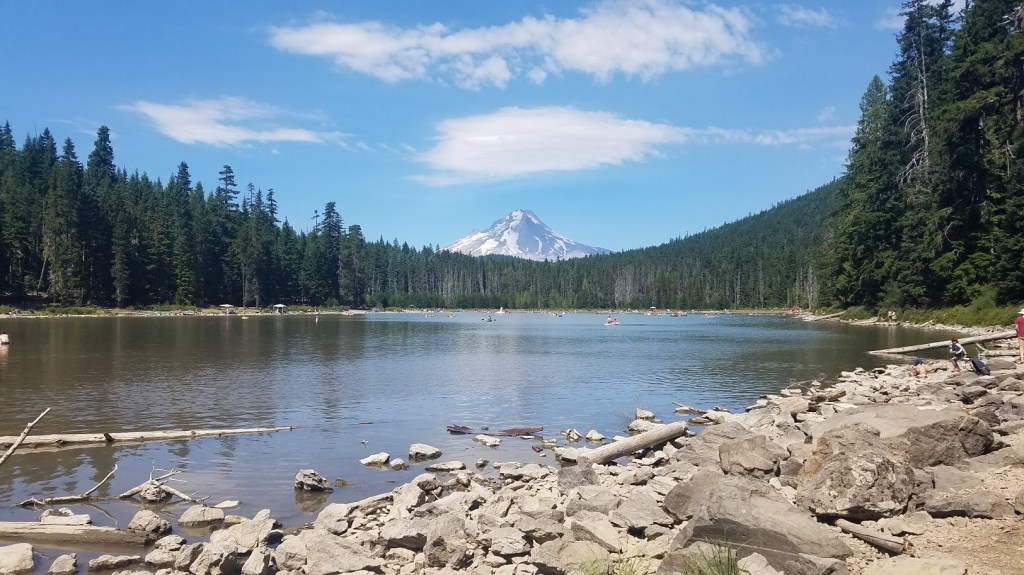
 Environmental Communications
Please Leave a Reply!